Nytechx Corp logo
Nytechx Corp Live Concept Art Webinars

Nytechx Corp — Concept Art Webinars

Concept Art
Built Live,
Not Recorded

Webinars where working concept artists share their actual process — decisions, dead ends, and adjustments — as it happens. You watch a real workflow unfold, ask questions mid-session, and leave with something more useful than a finished tutorial.

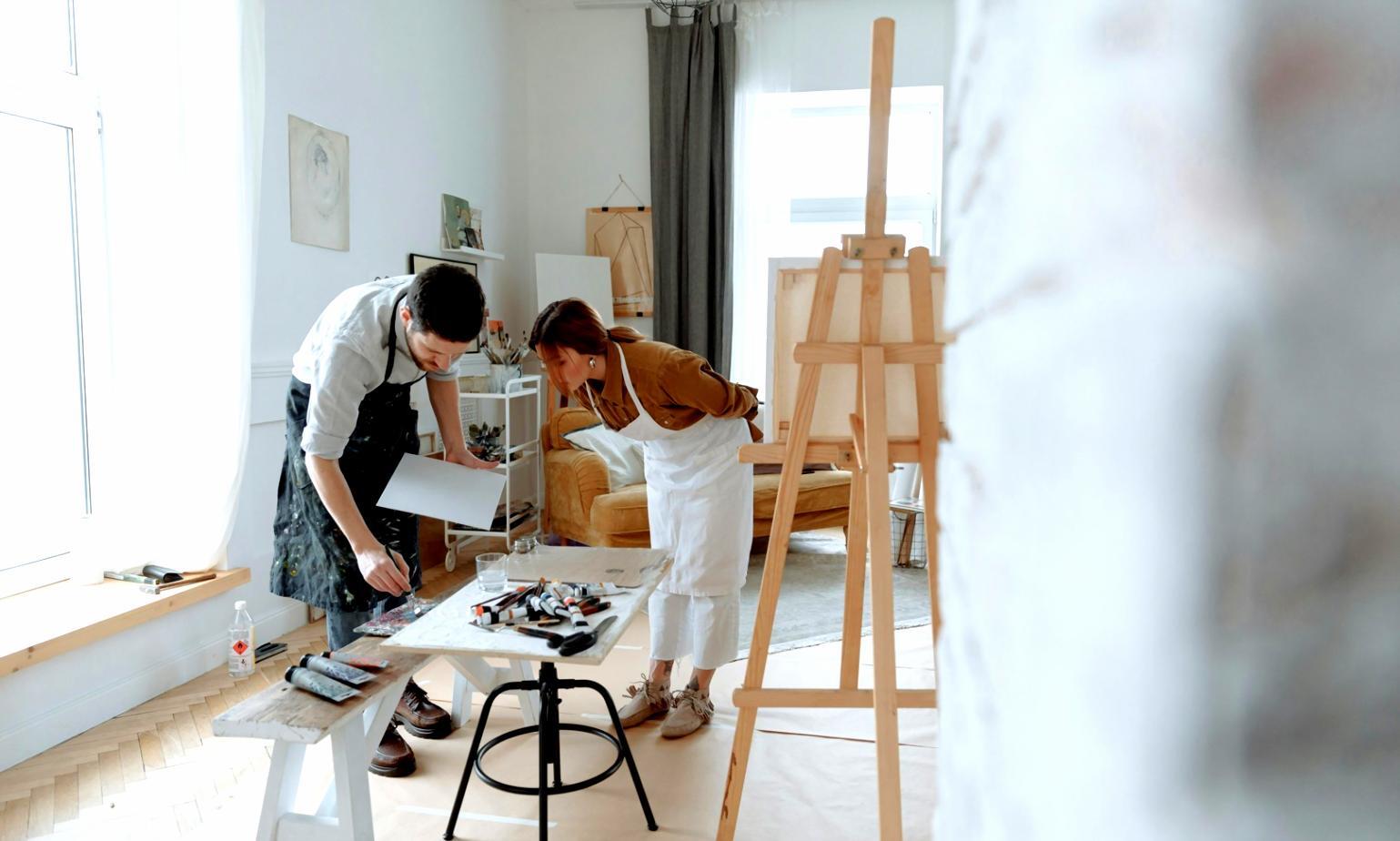
Concept artist working on a digital environment painting during a live webinar session
A live session in progress — the artist explains every layer decision as it happens, not after the fact.

Who fits here

The sessions are structured for a specific kind of person. Read through and see whether that is you.

For you if

You already draw and want to understand how professionals think

You have some foundation — sketchbooks, digital practice, maybe a few finished pieces — but watching polished tutorials leaves you with questions that nobody answers. You want to see the moment a composition gets thrown out and rebuilt, not the highlight reel.

For you if

You are switching into concept art from another creative field

Graphic design, illustration, architecture, game modding — these backgrounds carry over more than people expect. The sessions give you a clear picture of what concept art actually requires so you can assess the gap honestly, without guessing.

For you if

You are self-taught and want a reference point for your own work

Solo learners often have gaps they cannot identify because they have never seen a professional workflow up close. Watching someone work in real time — with all the backtracking and reconsideration — gives you a reference that no static resource can replicate.

For you if

You are preparing a portfolio for studio applications

The sessions address what studios actually look for — not just technical quality but visual problem-solving and communication. Participants working on portfolio pieces can use Q&A time to get direct feedback on specific work.

After attending consistently

There is no graduation ceremony here. What changes is quieter than that — you start making decisions during your own work instead of freezing in front of a blank canvas. The sessions build a mental library of approaches that you draw from without thinking about it.

Participants who attend regularly over several months tend to describe a shift in how they read other people's work. They notice structure, light logic, and narrative choices where before they just saw a finished image. That kind of visual literacy is hard to teach directly — it develops from sustained exposure to process.

  • 01 You can articulate what is not working in your own piece — not just feel that something is off
  • 02 Your iteration speed increases because you spend less time second-guessing early decisions
  • 03 You have a clearer picture of what studios mean when they ask for "strong visual storytelling"
  • 04 You know which gaps in your skill set are worth addressing first, and which ones can wait

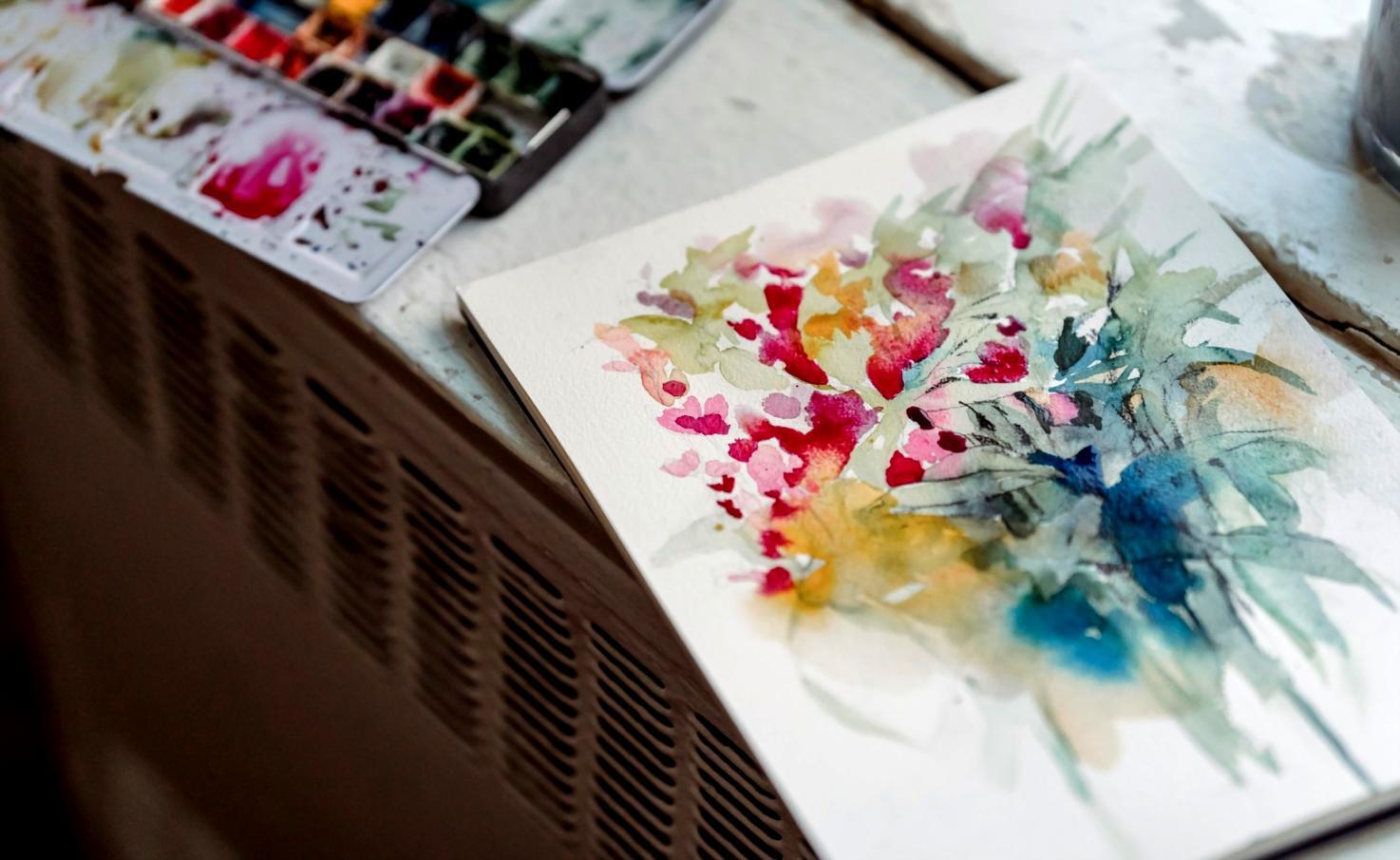
Detailed concept environment painting showing layered atmospheric perspective and light logic
Understanding how this image was built — layer by layer, decision by decision — is more useful than the finished result alone.

When you get stuck

Getting stuck is part of learning concept art — not a sign that something has gone wrong. The question is what happens next. Here is what is available when the work stalls.

Live Q&A during every session

Questions go directly to the artist while they are working. You can ask about the specific decision they just made, or bring a problem from your own work. The format is conversational, not a lecture with a question period tacked on at the end.

Session recordings with timestamps

Every session is recorded and available to registered participants. Timestamps mark key moments — when the composition shifted, when the lighting approach changed — so you can return to the exact part you want to study without rewatching everything.

Participant community between sessions

There is a shared space where participants post work in progress, ask questions that did not fit into a live session, and get responses from both other participants and the presenting artists. It is not moderated into silence — it is an actual working conversation.

From the people who attended

What participants describe after spending time in the sessions — in their own words, about their own experience.

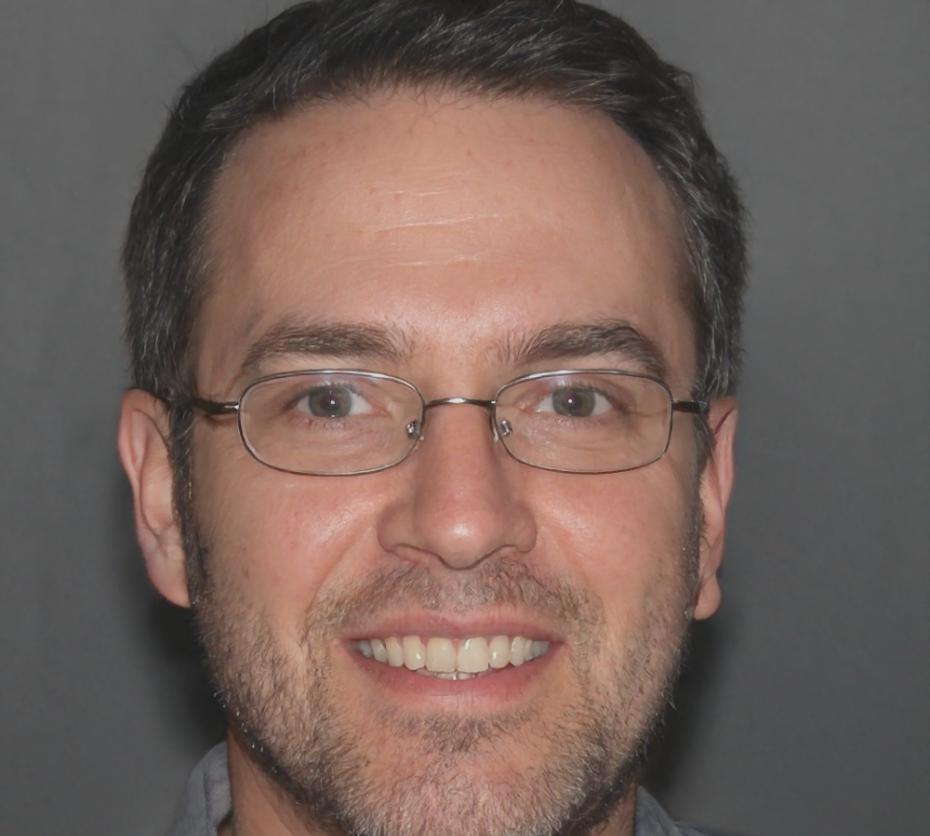
Portrait of Tobias Wren, concept art participant
Tobias attended sessions focused on environment design and used the Q&A time to get feedback on his portfolio before applying to a mid-size game studio.

Tobias Wren

Environment concept artist, previously in graphic design

I had watched dozens of speed-paintings on video platforms and always felt like I was missing something. Seeing the same kind of work done live — with the artist talking through why they were abandoning an approach — was a completely different experience. I started understanding the logic behind decisions, not just copying the surface.

Tobias Wren

Attended 14 sessions over six months

I came in expecting a course with assignments and grades. It is not that — it is more like sitting in on a working session with someone who is genuinely good at what they do and willing to explain their thinking. That turned out to be more useful for me than structured lessons would have been.

Eirini Papadakis

Illustrator transitioning into character concept art

The most useful part was asking questions mid-session. I had a specific problem with how I was handling light on metallic surfaces and asked about it while the artist was actually working on something similar. The answer was immediate and applied directly to what I was seeing on screen.

Fionn Ó Briain

Self-taught digital artist, working on a personal game project

How this differs from familiar formats

01

Process over product

Most recorded tutorials show a finished piece and work backward to explain it. Here the work happens in front of you — unresolved, messy at times, and honest about what is not working. That is where the learning actually lives.

02

Questions shape the session

The Q&A is not a formality. Participants regularly steer the session toward specific problems — "why did you change the value structure there" or "how would you handle this if the brief required a warmer palette." The artist responds in real time, on screen.

03

No enrollment pressure

You join sessions when the timing works for you. There is no cohort you fall behind, no deadlines that create artificial urgency. The program is designed around people who have jobs, other commitments, and lives that do not pause for a course schedule.

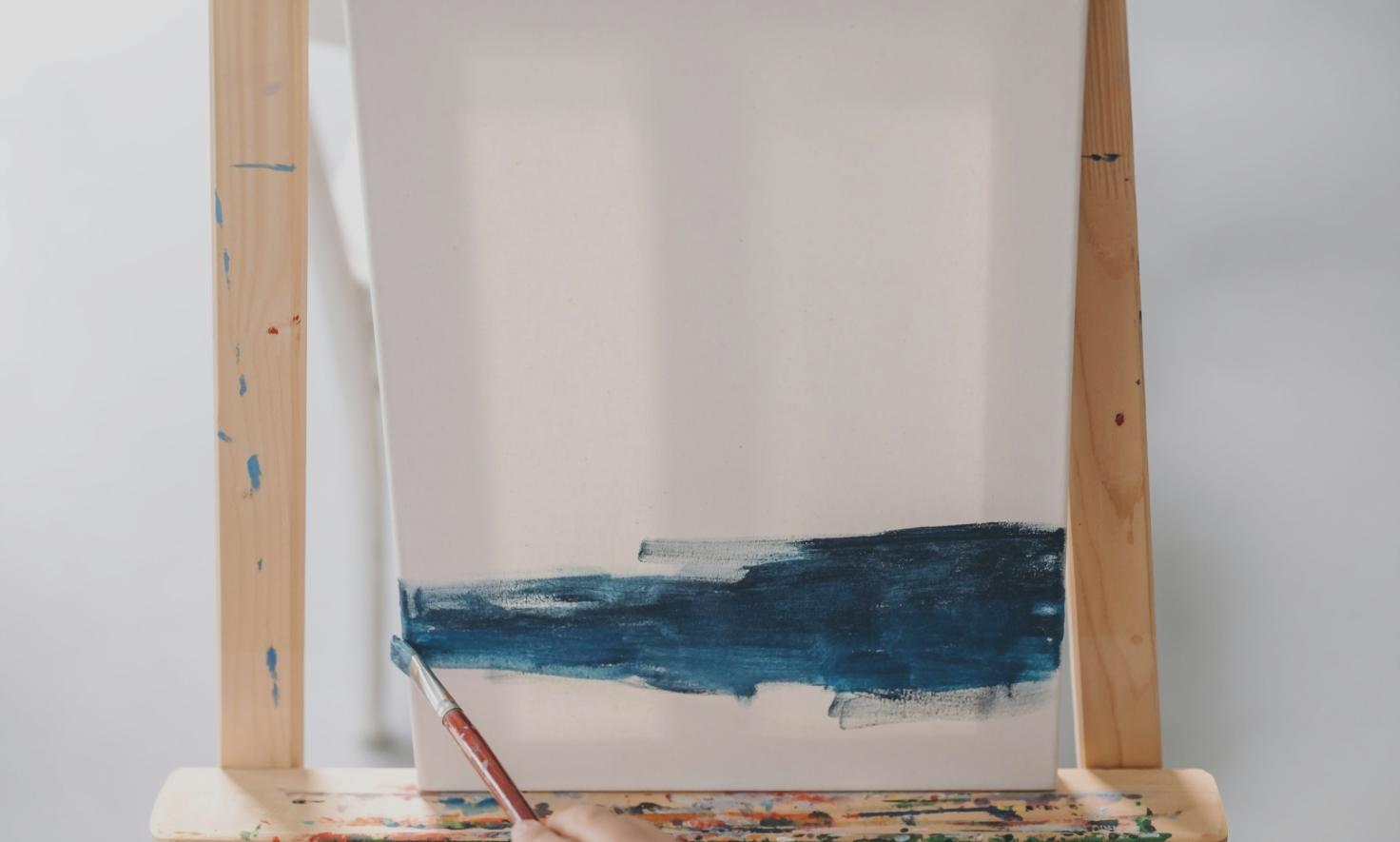
Close-up of digital painting showing layered brush strokes and element composition
Watching how individual elements are constructed — not just the final composition — is what makes live sessions different from recorded tutorials.
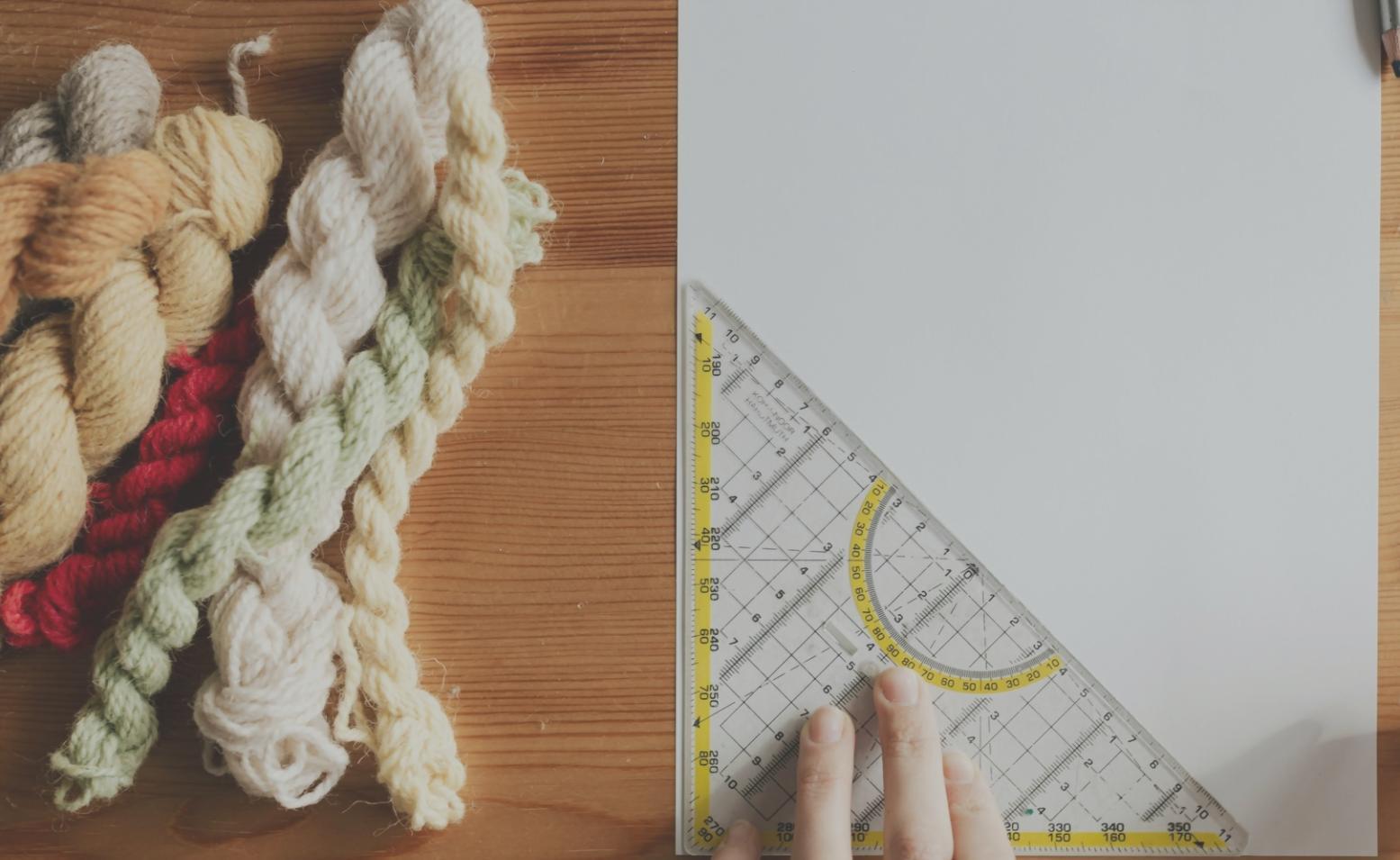
Concept art box and reference material spread showing the research and ideation phase of a project
The reference and ideation phase gets as much attention as the rendering — because that is where most projects succeed or fail before a single brush stroke is placed.

Who delivers the sessions

The artists presenting on the platform are working professionals — people with active projects, not retired practitioners.

Portrait of Reuben Calloway, lead concept artist and session host at Nytechx Corp
Reuben has spent over a decade working on environment and vehicle design for game studios and film production companies across Europe and North America.

Reuben Calloway

Lead Session Artist — Environment & Vehicle Design

What qualifies the people here

The selection process for presenting artists focuses on one thing: can they explain their decisions while making them. Technical skill is necessary but not sufficient — plenty of exceptional artists cannot articulate why they made a specific choice. The sessions only work when the artist can do both simultaneously.

Reuben Calloway, who leads the majority of environment and vehicle sessions, spent twelve years doing production concept art before moving into teaching. His work appears in shipped titles and released films, which means the problems he addresses in sessions are drawn from actual production constraints — not hypothetical exercises.

All presenting artists have active professional portfolios with recent production credits — nothing here is based on credentials alone

Guest sessions bring in specialists from character design, prop art, and visual development — rotating coverage across the full concept art discipline

Session artists are briefed on participant skill levels before each webinar — the pacing and depth adjust accordingly, not arbitrarily

Nytechx Corp was established in 2024 with the specific aim of bringing working professionals into direct contact with learners — not building a library of pre-recorded content